


Autoclaves Explained: Everything Dentists Need to Know
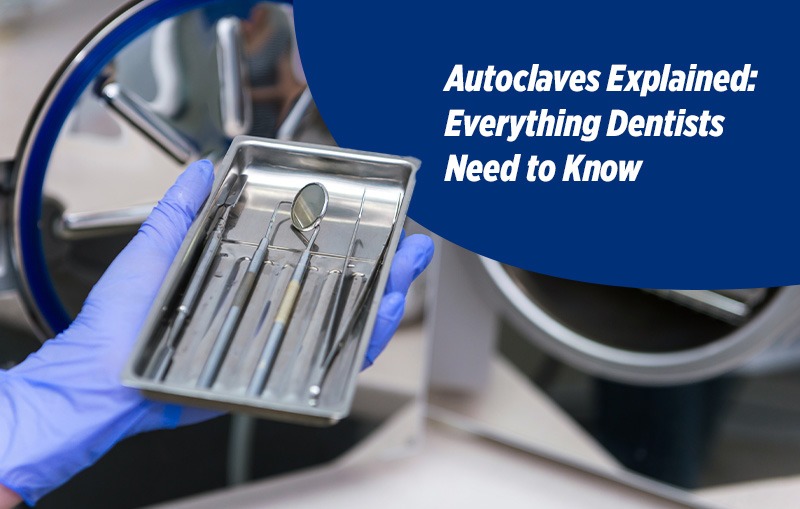
In every dental clinic, infection control is an important part of patient safety. From basic checkups to complex treatments, dental devices come into touch with saliva, blood, and other potentially infectious substances. This requires thorough cleaning and disinfection before equipment are used on another patient.
The autoclave is an extremely crucial piece of equipment in this process. But what does an autoclave do, how does it work, and what factors should dentists consider when selecting one?
In this blog we are discussing about autoclaves, types and the importance of it.
What is an Autoclave and why does it matter?
An autoclave is a device that sterilizes devices by heating pressurized steam to a high temperature. Unlike basic disinfection, which decreases microorganisms to a safe level, sterilization kills all microbial life, including bacterial spores, which the most resistant organisms are known. This distinction is critical in dentistry, as instruments frequently come into touch with blood, saliva, and soft tissue, opening up a direct space for cross-infection if sterilization is improper.
Steam sterilization is required as the standard for reusable dental tools by regulatory and professional authorities around the world, including dentistry councils and health ministries in the Gulf. An autoclave is more than simply a piece of equipment; it is a regulatory necessity and a daily safeguard for both patients and Staff.
How does an autoclave work?
The science of autoclaving is easy but exact. Steam sterilization is based on three variables acting together: Temperature, Time and Pressure.
When these three components combine properly, steam reaches every surface of an instrument, including hinges, joints, and lumens, denaturing proteins and rendering germs inactive. Most dental cycles last between 3 and 30 minutes, depending on the load type, and include a drying phase to minimize instrument corrosion and package damage.
Types of Autoclaves used in dental practices
Not all autoclaves are built the same, and choosing the right class matters for both safety and workflow efficiency.
Class N Autoclaves
These handle solid, unwrapped instruments only. They are the most basic type and are generally unsuitable for modern dental practices that need to sterilize wrapped, hollow or porous items.
Class S Autoclaves
Slightly more capable than Class N, these can sterilize some additional item types as specified by the manufacturer, but they still fall short of full versatility.
Class B Autoclaves
The gold standard for dental clinics. Class B autoclaves use a vacuum phase to remove all air from the chamber before sterilization, allowing steam to fully penetrate wrapped instruments, handpieces, hollow items, and complex geometries. Most infection control guidelines now recommend Class B as the benchmark for dental practices handling a broad instrument mix.
When considering an autoclave for a clinic, a few characteristics regularly distinguish reliable performance from problematic ones:
Class B vacuum cycles for thorough penetration of wrapped or hollow instruments.
Cycle documentation to ensure compliance and traceability.
Rapid cycle possibilities for high-turnover clinics
Monitor water quality to prevent chamber damage.
Chamber size corresponds to patient volume.
Easy service with genuine parts and local support.
How can dentists choose the right autoclave supplier?
Buying an autoclave is not just about selecting a machine. Dentists should also consider the support available after installation.
A reliable dental equipment supplier should be able to help with:
- Selecting equipment based on clinic requirements
- Installation and setup
- Staff guidance and equipment operation
- Preventive maintenance
- Repairs and troubleshooting
- Sterilization and infection-control solutions
- Replacement parts and technical support
Why should you choose Alfarsi for dental equipment and infection control?
Alfarsi Medical Supplies offers dental and medical equipment solutions in Oman, including assistance with dental clinic setup, equipment selection, installation, repair, and preventative maintenance. The company also has a dedicated infection control division that handles instrument cleaning, sterilization monitoring, surface disinfection, and waste disposal.
Choosing the correct autoclave and a reputable dental equipment provider can make a major impact in daily clinical operations and patient safety for dentists setting up a new clinic or replacing current sterilizing equipment.